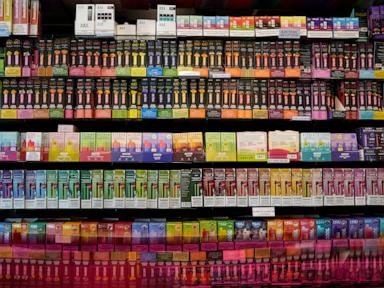
The ground shifted for parents in May 2026. The Food and Drug Administration did something it hadn't done before. It authorized the sale of fruit-flavored e-cigarettes, specifically mango and blueberry pods made by Glas.
Public health groups went into immediate damage control. The American Lung Association slammed the decision. Parents felt blindsided. For years, the message was clear: fruit and candy flavors are the bait used to hook kids, and the government is trying to ban them. Now, suddenly, they're hitting legal shelves.
If you're a parent, you're probably worried this will undo the progress that brought youth vaping down from its 20% peak in 2019 to around 5.2% in 2025. You're right to worry. But screaming at your kid or reading them a lecture from a school pamphlet won't work. The landscape changed, and your strategy needs to change with it.
Why the FDA Changed Course
The FDA didn't approve these flavors to make kids happy. The agency operates on a public health standard that weighs risks. On one side of the scale is the risk of kids getting addicted to nicotine. On the other side is the benefit to adult cigarette smokers trying to quit entirely.
A 2025 clinical study of 427 adult smokers showed that only 5% chose tobacco-flavored vapes when given options. Adults want flavors. Data shows they're much more likely to ditch traditional cigarettes if they have access to fruit or sweet varieties. The FDA decided that the benefit to dying smokers outweighed the potential risk to teens, provided the technology could keep kids out.
That technological gamble is called Device Access Restrictions. The newly authorized vapes require smartphone age-verification and Bluetooth locking systems to function. The tobacco industry claims this is a bulletproof digital wall. Public health experts aren't buying it. Kids are tech-savvy, and they rarely buy their vapes directly from stores anyway. They get them from older siblings, friends, or illicit online markets.
The Reality of Teen Nicotine Use in 2026
If you think your kid isn't exposed to vaping because they go to a good school or play sports, you're fooling yourself. Walk into any high school bathroom. It smells like blue raspberry or watermelon.
The 2024 National Youth Tobacco Survey revealed a jarring reality. Nearly 90% of kids who vape use flavored products. Fruit flavors lead the pack by far.
| Youth Flavor Preferences (NYTS Data) | Percentage of Teen Users |
|---|---|
| Any Flavored Product | 87.6% |
| Fruit Flavors Specifically | 62.8% |
And e-cigarettes aren't the only threat on the radar anymore. Nicotine pouches are exploding in popularity. They're the only tobacco product that increased in youth usage over the last five years. They slide under the lip, completely invisible to teachers and parents. Over 85% of kids using pouches choose flavored versions.
How to Spot the Signs Without Being Paranoid
Don't look for giant clouds of smoke. Modern vapes look like USB drives, highlighters, or smartwatches. Some disposable brands, like Posh, are tiny enough to hide in a palm.
Instead, look for behavior and physical clues:
- Unexplained sweet scents: If your kid's room suddenly smells like a candy factory or tropical fruit fruit punch, be suspicious.
- Increased thirst and nosebleeds: Nicotine dries out mucous membranes. Kids who vape often drink massive amounts of water or suffer sudden nosebleeds.
- Irritability and mood swings: Nicotine is incredibly short-acting. When the buzz wears off, withdrawal hits fast. If your teen is unusually anxious or angry until they disappear to the bathroom for two minutes, that's a red flag.
- The "vape twitch": Watch their hands. Frequent, subconscious reaching for pockets or waistbands is a common habit loop for nicotine users.
The Script: What to Actually Say to Your Teen
Throw away the "drugs are bad" script. It failed in the nineties and it fails now. If you sit your kid down for a formal, somber intervention, their brain will instantly switch to defense mode. They'll nod, lie, and hide it better next time.
Try a low-stakes approach instead. Capitalize on real-world triggers.
Scenario A: You see someone vaping on TV or in public
Don't say: "That's disgusting, I hope you never do that."
Do say: "I saw the FDA just approved fruit-flavored vapes for the first time. It's wild because public health groups are furious about it. What do kids at your school think about vaping these days? Do a lot of people actually use the flavored ones?"
Scenario B: You find a vape in their backpack
Don't say: "You're grounded for a month! How could you do this to your lungs?"
Do say: "I found this in your bag. I'm not going to scream at you, but I am really concerned. I know how insanely addictive nicotine is, and these companies engineer this stuff to hook your brain before it's even fully grown. Talk to me. Are you using this because you're stressed, or is it just something everyone is doing?"
You need to listen more than you speak. If they admit to trying it, ask why. Stress and anxiety are the primary drivers of youth nicotine use today. If you don't address the underlying stress, you'll never fix the vaping.
Weaponize the Facts, Not the Fear
Teens don't care about long-term mortality statistics. Telling a 15-year-old they might get cardiovascular disease in forty years means absolutely nothing to them. They feel immortal.
Instead, talk about things that impact their lives right now:
- Brain Hijacking: Explain that nicotine rewires the brain's reward system. It damages the areas controlling attention, mood, and impulse control. Tell them frankly: "Vape companies are using flavors to trick your brain into paying them a monthly subscription fee for life."
- Chemical Cocktails: Vapes don't produce water vapor. They produce an aerosol packed with toxic chemicals. They're inhaling diacetyl, a flavoring chemical linked to bronchiolitis obliterans, commonly known as "Popcorn Lung," which causes irreversible airway scarring. They are breathing in microscopic particles of heavy metals like nickel, tin, and lead leached from the heating coils.
- Athletic and Sexual Health: Nicotine constricts blood vessels instantly. It causes arterial stiffness, drives up blood pressure, and limits stamina. If your kid plays sports, tell them vaping is actively destroying their lung capacity and recovery times.
Actionable Steps for Parents Right Now
If you discover your child is addicted, treating it as a behavioral discipline issue will fail. Nicotine addiction is a chemical dependency. Treat it like a medical issue.
- Do not confiscate and walk away. Taking the device away stops them for exactly one afternoon. They will borrow one from a friend by lunchtime tomorrow.
- Use text-based cessation resources. Teens will not call a hotline or talk to a school counselor about this. They want privacy. Have them text DITCHVAPE to 88709. This free, anonymous service from the Truth Initiative provides daily, text-based support specifically designed for teens trying to quit.
- Schedule a pediatrician visit. Be honest with the doctor. In severe cases of teen nicotine addiction, physicians can recommend nicotine replacement therapies or behavioral plans that actually work.
- Audit the digital footprints. Talk to them about online peer-to-peer sales. Kids use messaging apps to buy illegal, unregulated disposable vapes shipped directly from overseas. Check their digital payment apps for random peer transactions.