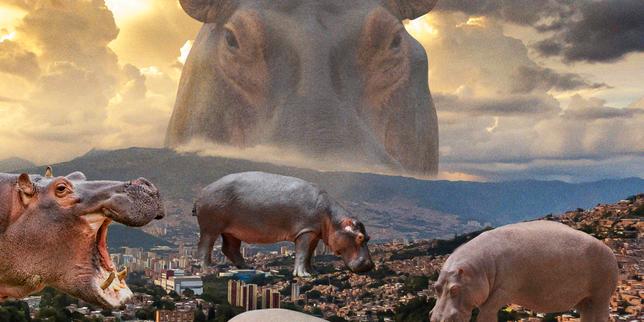
Colombia is facing a massive wildlife crisis, and it all started with four exotic pets. Back in the 1980s, drug kingpin Pablo Escobar built a private zoo at his Hacienda Nápoles estate. Among the illegally smuggled animals were three female hippos and one male. When Escobar died in 1993, the government rounded up most of his animals, but the hippos were left behind. They were too heavy, too aggressive, and basically too much of a hassle to move.
The authorities figured the beasts would just die out. They didn't.
Fast forward to 2026, and those four original animals have multiplied into a wild herd of over 200 individuals roaming the Magdalena River basin. They represent the only wild hippo population outside of Africa. It sounds like a quirky tourist attraction, but it's an ecological nightmare that local officials can no longer ignore.
The Myth of the Gentle Giant
Many tourists flock to Puerto Triunfo to buy hippo themed souvenirs and snap photos of these massive creatures. Local fishermen even talk about them with a strange mix of affection and pride. But scientists see a ticking time bomb. The lush Colombian wetlands are a paradise for hippopotamuses. Unlike in sub-Saharan Africa, Colombia has no severe droughts to naturally control their numbers. Even better for the hippos, there are zero natural predators like lions or Nile crocodiles to hunt their calves.
The result is an accelerated breeding cycle. Females in Colombia start reproducing at a much younger age than their African counterparts.
If left unchecked, researchers estimate the population will explode to 500 by 2030 and easily top 1,000 by 2035. That's a terrifying prospect for the local ecosystem. A single adult hippo eats around 70 kilograms of grass every day. They trample native farmland, destroy riverbanks, and displace local species like capybaras and the endangered West Indian manatee.
Then there's the waste. Hippos spend their days lounging in the water, where they deposit massive amounts of feces. This huge influx of organic matter alters the oxygen levels in the rivers, fueling toxic algae blooms and killing off local fish populations that human communities rely on for food.
Why Sterilization Failed
For years, animal rights groups pushed for non-lethal solutions. The government tried chemical sterilization and surgical castration, but the logistics were incredibly frustrating.
Catching a three-ton, highly aggressive animal in murky water is a nightmare. It requires a team of at least eight people just to trap, sedate, and track down the reproductive organs of a single male hippo, which are internally hidden. A team might spend eight grueling hours at night trying to castrate one animal, only for it to escape back into the river, where it risks drowning while sedated.
The regional environmental agency, Cornare, managed to sterilize a handful of individuals over a decade, but it was a drop in the bucket. The birth rate simply outpaced the veterinary teams.
The Controversial Decision to Cull
In April 2026, the Colombian Ministry of Environment and Sustainable Development announced a $2 million shock plan. Environment Minister Irene Vélez Torres confirmed that the government would begin a targeted culling protocol to euthanize roughly 80 hippos starting in the second half of 2026.
It was a decision officials tried to avoid for decades, but scientific models made it clear that doing nothing would lead to ecological collapse.
The plan sparked immediate backlash. Animal rights advocates and politicians like national senator Andrea Padilla publicly condemned the move, calling it a cruel execution of innocent creatures that are victims of historic state negligence.
To appease critics, the government is still exploring international relocation. An Indian billionaire offered to house some of the animals in a private wildlife park, and there have been talks with sanctuaries in Mexico and the Philippines. However, shipping dozens of multi-ton wild animals across oceans involves immense bureaucratic hurdles and astronomical costs. Moving a few animals won't solve the problem when the wild herd continues to grow every week.
The Danger to Human Life
This isn't just about fish and plants. The danger to local humans is escalating. Hippos are notoriously territorial and aggressive, responsible for hundreds of human deaths annually in Africa. In Colombia, several serious attacks have already occurred.
Fishermen along the Magdalena River now abandon their territories after dark. Submerged hippos are completely invisible in the moonlight, making nighttime navigation a deadly gamble.
The government's new protocol involves a mix of lethal chemical injections for captured animals and, in remote areas, targeted shooting by trained professionals. It's a grim reality, but wildlife experts agree that flattening the population growth curve is the only way to protect Colombia's native biodiversity.
To understand the scale of the issue, take a look at how the problem has escalated over the decades.
- 1981: 4 hippos imported illegally by Pablo Escobar.
- 1993: Escobar dies; hippos are abandoned and escape into the wild.
- 2019: Population reaches roughly 100 individuals.
- 2022: Colombian government officially declares hippos an invasive alien species.
- 2026: Population exceeds 200; the ministry approves a $2 million plan to euthanize 80 hippos.
If you want to track this ongoing environmental situation, monitor official updates from the Colombian Ministry of Environment and Sustainable Development or follow independent ecological reporting from outlets like Mongabay. Support conservation groups that focus on protecting the Magdalena River's native manatees and turtles, as these local species need immediate habitat preservation while the government manages the invasive hippo crisis.

,webp/023/219/031/1280x720.c.jpg.v1681124371)